Anemia – A lack of red blood cells means your body can’t deliver enough oxygen to tissues, causing constant weakness.
Thyroid disorders – Both hyperthyroidism and hypothyroidism can disrupt energy metabolism, leaving you sluggish or restless.
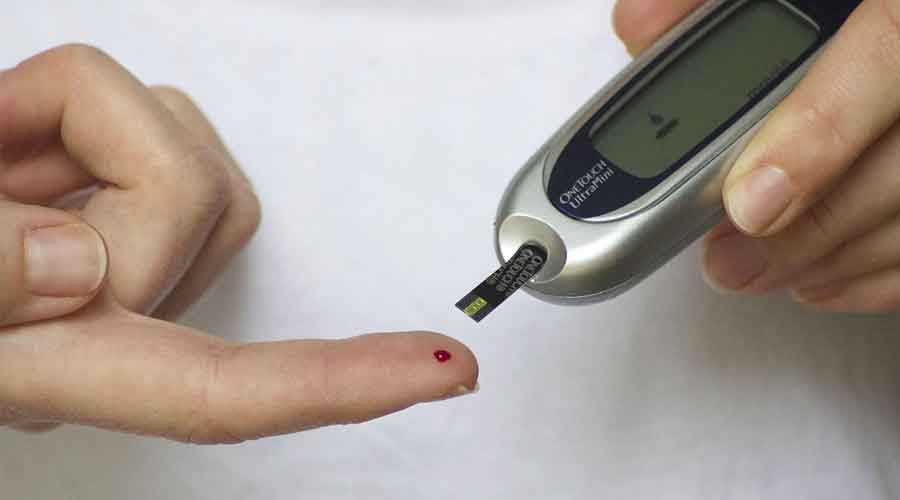
Diabetes – Poor glucose regulation means your body can’t use energy properly, leaving you tired even after eating.
Chronic infections – From hepatitis to long-term viral infections, fatigue may be the only noticeable symptom for months.
Real-Life Scenario

Consider Maria, a 42-year-old office worker. She dismissed her fatigue as stress. She began drinking more coffee, thinking she just needed an energy boost. Weeks later, she collapsed at work. The diagnosis? Severe iron-deficiency anemia caused by internal bleeding. If she had acted on her fatigue earlier, she could have avoided hospitalization.
What You Should Do
Keep a fatigue journal: Note when you feel tired, how long it lasts, and whether rest improves it.
Check your basics: Are you eating balanced meals? Sleeping enough? Staying hydrated?
Seek medical evaluation: If fatigue lasts more than 2 weeks without improvement, it’s time to ask your doctor for blood work (iron levels, thyroid, glucose, etc.).
Remember: Feeling tired after a long day is normal. Feeling tired every day is not.