Warning Sign 4: Persistent Digestive Issues
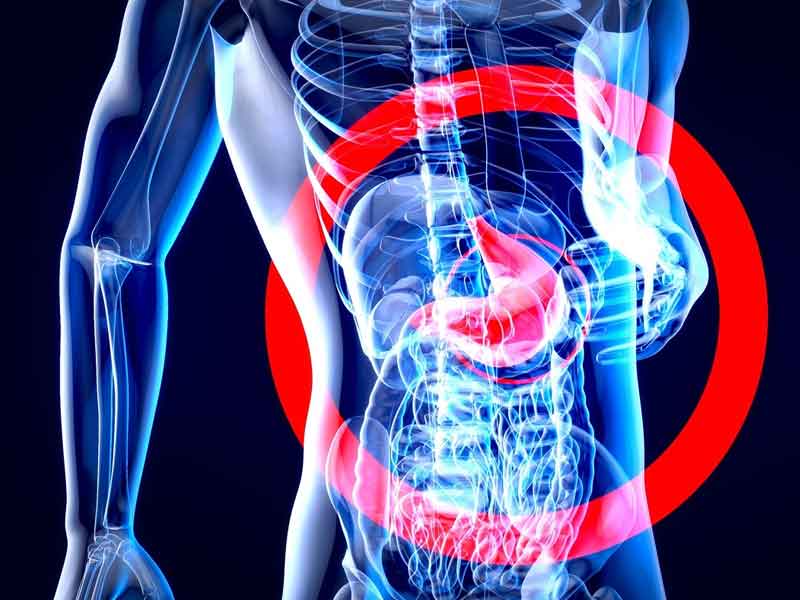
We’ve all had stomach troubles after eating too much spicy food or indulging in fast food. But ongoing digestive issues—bloating, diarrhea, constipation, nausea—are not just “sensitive stomach” problems.
Why It’s Dangerous
- Irritable Bowel Syndrome (IBS) – A common cause of chronic digestive distress, often worsened by stress and diet.
- Inflammatory Bowel Disease (IBD) – Includes Crohn’s disease and ulcerative colitis, which, if untreated, damage the intestines and increase cancer risk.
- Food Intolerances – Gluten sensitivity (celiac disease) or lactose intolerance may present as constant bloating or abdominal pain.
- Stomach Ulcers – Persistent heartburn or nausea could point to Helicobacter pylori infection or long-term damage from NSAIDs.
- Cancer – Colon and stomach cancers often begin with vague digestive complaints.
Real-Life Scenario
Daniel, a 50-year-old salesman, had stomach cramps and bloating for over a year. He dismissed it as “bad diet.” Eventually, he sought medical care—only to discover Stage II colon cancer. If caught earlier, his treatment would have been much easier and less invasive.
What You Should Do
- Watch frequency – If bloating, constipation, or diarrhea lasts longer than 2–3 weeks, it’s no longer “temporary.”
- Note other signs – Blood in stool, unexplained weight loss, or nighttime symptoms require urgent attention.
- Make simple changes first – Increase fiber, reduce processed foods, hydrate well. If issues persist, schedule a colonoscopy or GI consult.
Your digestive system is your body’s “second brain.” Treat its signals with respect.