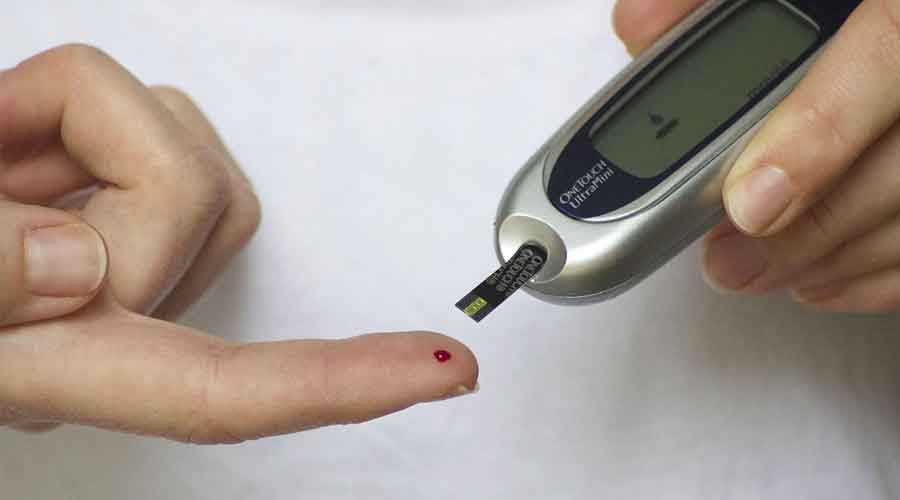
Washing hands may seem simple, but are you really doing it right?
In daily life, from before meals to after defecation to touching public objects, hands frequently come into contact with the outside world, often becoming an invisible gateway for the spread of germs. Proper handwashing can reduce the risk of many diseases.
With early summer approaching and temperatures rising, several infectious diseases are also entering their peak season. Norovirus, hand, foot and mouth disease, and intestinal infections can all enter the body through dirty hands. How can handwashing truly become a “firewall” for health?
This article invites experts from the Infection Management and Disease Prevention and Control Division (hereinafter referred to as the Infection Control Division), Dermatology, Laboratory Medicine, and Pediatrics at Peking University People’s Hospital to uncover 10 surprising truths about hand health.
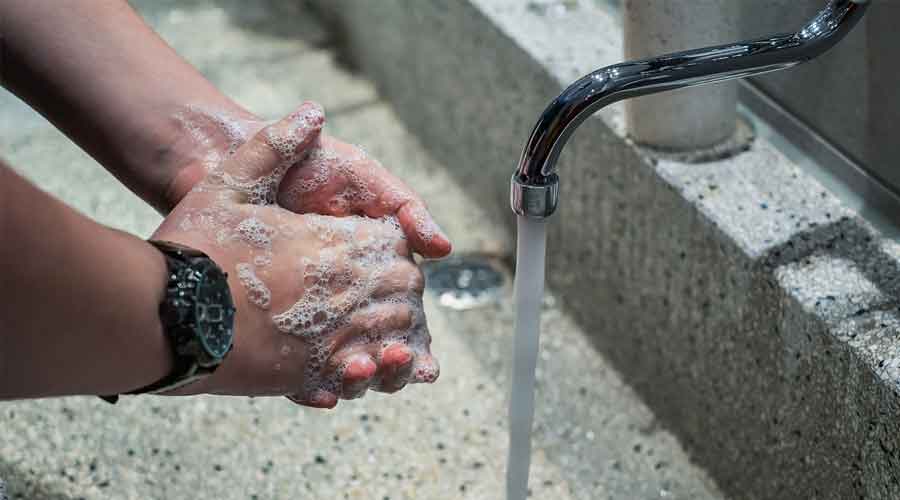
1. You’ve been washing your hands incorrectly for years. How do you follow the standard handwashing procedure?
Did you know? The fingertips and thumbs are the most vulnerable areas for hand contamination, and many people miss this step when washing their hands. To wash your hands correctly, remember the six-step handwashing method: inside-out-pinch-bow-large-stand-up-wrist, rubbing the entire process for at least 15 seconds.
Research shows that the six-step handwashing method reduces the residual bacterial contamination rate by 67% compared to regular handwashing.
Be aware of these handwashing misconceptions:
Simply rinsing with water doesn’t effectively remove bacteria and viruses.
Washing hands too briefly, rubbing for less than 15 seconds.