5. Which is more effective, hand sanitizer or soap?
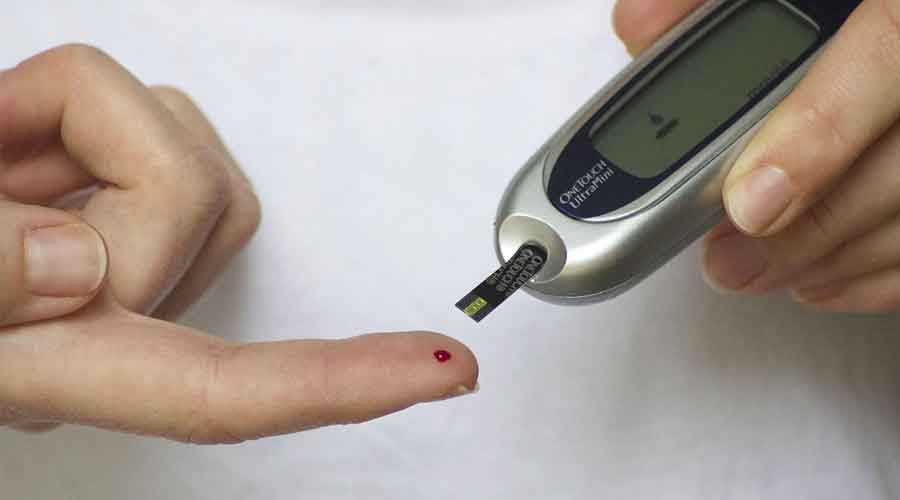
Hand sanitizer primarily cleans hands through the action of surfactants and mechanical friction. Surfactants reduce the surface tension of water, helping to remove grease and dirt from hands. Additionally, some hand sanitizers contain antibacterial ingredients, such as triclosan and benzalkonium chloride, which effectively kill bacteria and viruses.
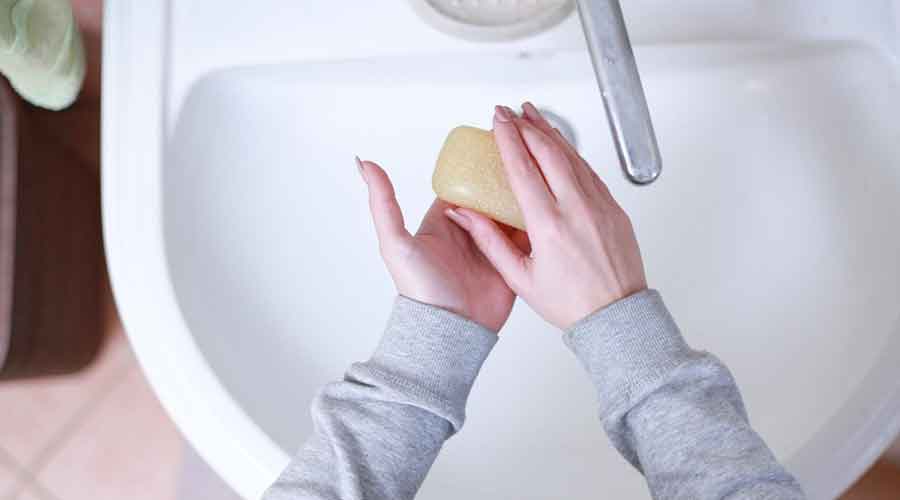
Soap, composed primarily of fatty acids and alkaline compounds, has strong alkalinity and degreasing properties, effectively removing grease and dirt from hands. Under alkaline conditions, soap destroys bacterial cell walls, achieving its sterilization effect. However, moisture in soap during use can breed bacteria, creating the risk of secondary contamination and cross-infection.
Expert Tip: If soap cannot be kept clean and dry, it is recommended to use hand soap and running water.
6. Do children need to wash their hands every time they touch the ground while playing outdoors?
Not necessarily. Environmental risks should be assessed and addressed on a case-by-case basis.
Research shows that excessive cleansing can damage children’s immune systems. Early childhood exposure to microorganisms in the natural environment (such as Mycobacterium vaccae in soil, which stimulates a Th1 immune response) can actually reduce the risk of allergies.
Research shows that asthma rates among rural children are 30% lower than those in urban areas, which is related to their exposure to soil microorganisms. Children who wash their hands more than eight times a day have a 25% increased risk of eczema. This may be related to frequent use of antibacterial products, which disrupts the balance of skin flora and leads to immune tolerance defects (immune cells cannot distinguish between friend and foe).
Experts recommend: Avoid contact with natural soil, fallen leaves, etc. (free of animal feces or chemical contaminants). If hands are only dusty and free of obvious stains or wounds after playing in open spaces, rinse with clean water to preserve the beneficial bacteria on the skin surface.
Proper hand washing is essential in situations such as contact with animal feces or rotting vegetation; obvious stains, blood, or chemical residue (such as pesticides) on hands; before eating or touching oral or nasal mucosa; after contact with oral or nasal secretions (snot, saliva) from a sick child; or when hands are wounded.